

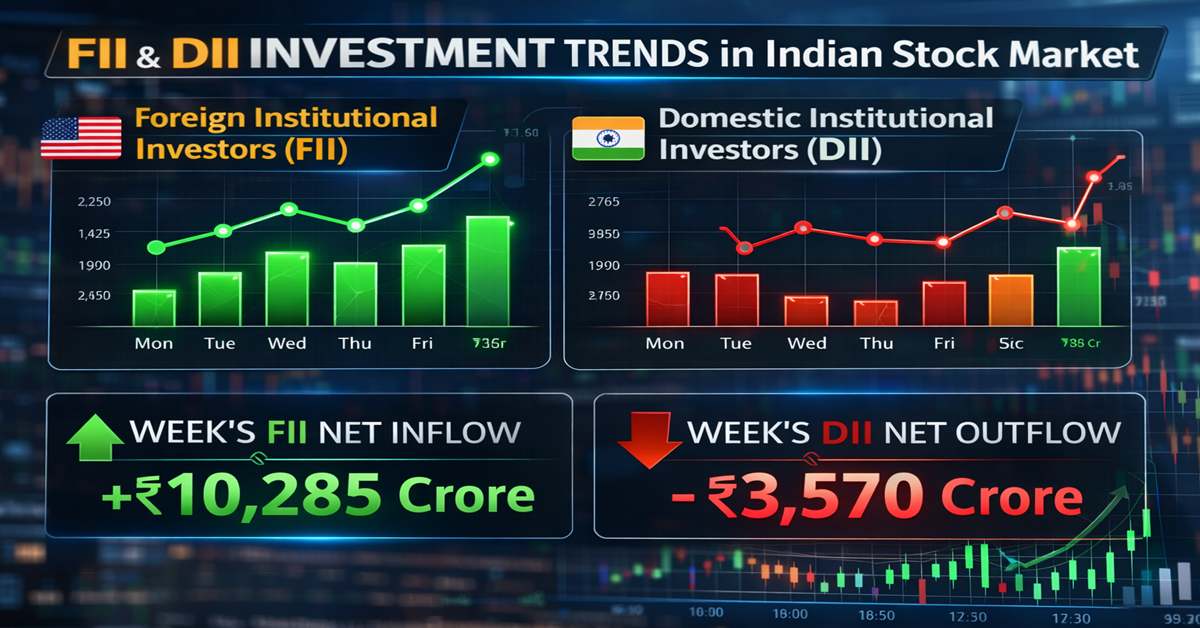
Understanding FII DII Indian market trends is essential for anyone following stock market news India. Every day, market movements are influenced by buying and selling activity from Foreign Institutional Investors (FII) and Domestic Institutional Investors (DII).
These two groups play a major role in shaping market direction. When FIIs invest heavily, the market often moves upward, while selling pressure can lead to declines. Similarly, DIIs help balance market volatility by providing stability. In this article, we explain what FII and DII data means and why it matters for the Indian stock market.
What is FII and DII in the Indian Market?
FII refers to Foreign Institutional Investors who invest in Indian markets from outside the country. These include global funds, hedge funds, and foreign financial institutions.
DII refers to Domestic Institutional Investors such as mutual funds, insurance companies, and banks that invest within India.
Key Difference
- FIIs bring foreign capital into the market
- DIIs invest domestic funds
Both play an important role in market liquidity and price movement.
Why FII DII Data is Important
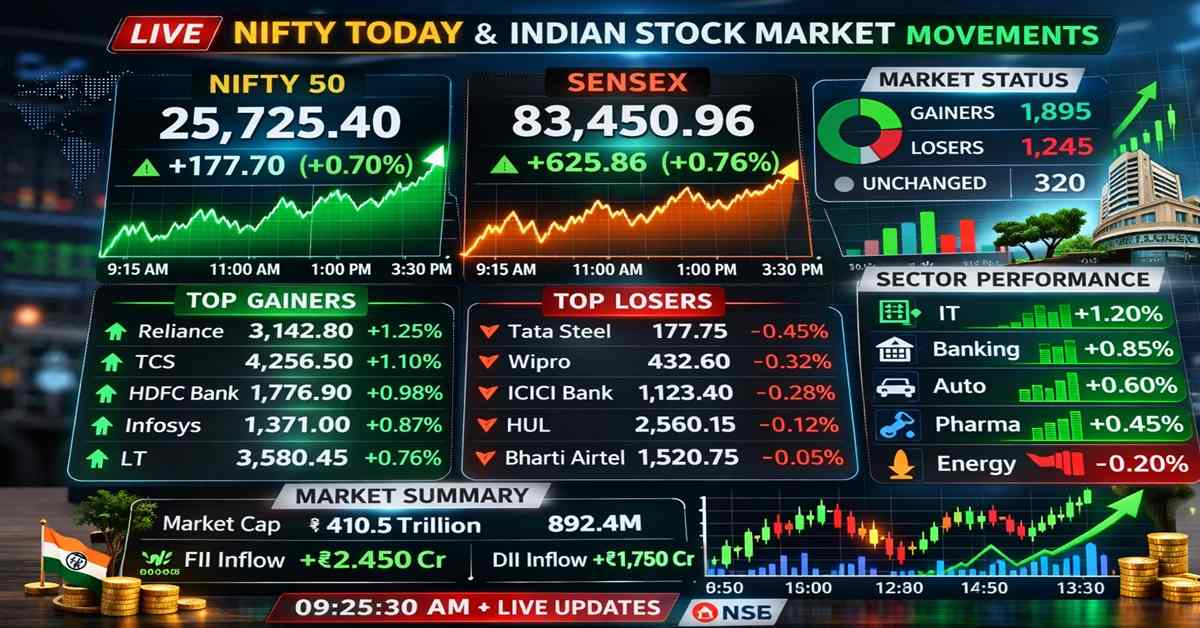
FII and DII activity is a key part of stock market news India because it reflects investor sentiment.
Market Impact
- Heavy FII buying can push markets higher
- FII selling can lead to sharp declines
- DII buying often provides support to the market
Tracking daily data helps investors understand market direction.
FII DII Indian Market Trends Today
Daily FII DII Indian market data shows whether institutional investors are buying or selling.
Positive Scenario
If FIIs are buying and DIIs are also supporting, the market may show strength.
Negative Scenario
If FIIs are selling heavily and DIIs are unable to absorb the pressure, the market may fall.
These trends are closely watched by traders and analysts.
How FII DII Data Affects Market Movement
Institutional investors have large capital, so their actions significantly impact stock prices.
Short-Term Impact
- Sudden buying or selling can cause volatility
Long-Term Impact
- Consistent FII inflows can support bullish trends
- Strong DII participation adds stability
Understanding these patterns helps investors make better decisions.
Factors Influencing FII and DII Activity
Several factors affect FII and DII investment decisions:
Global Factors
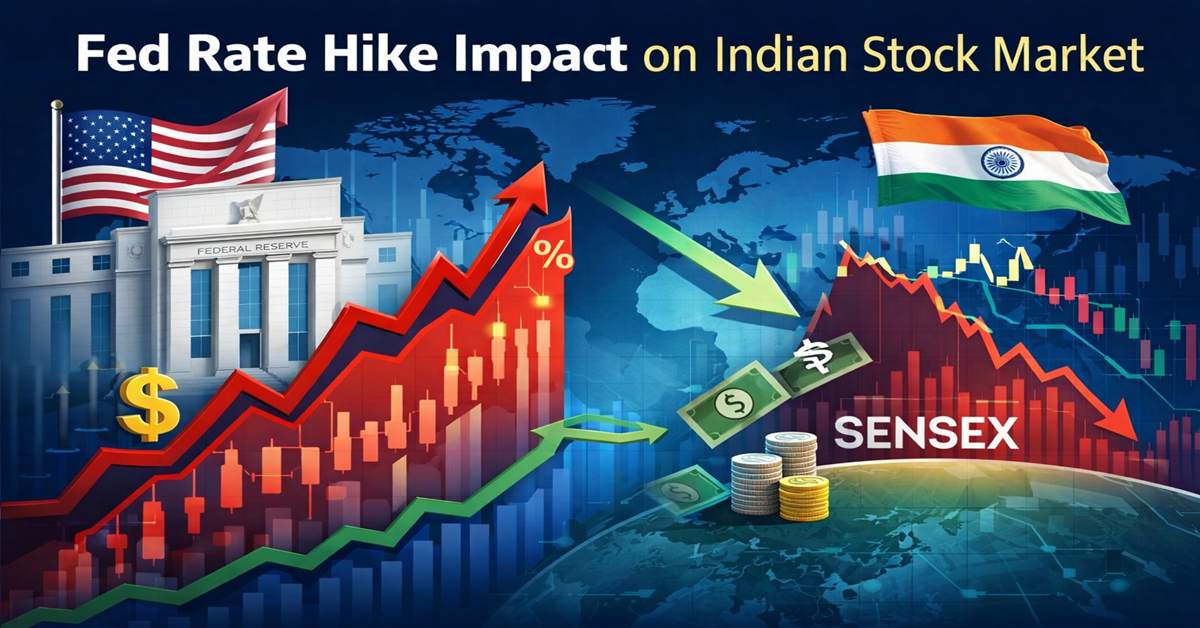
- US interest rates
- Global economic conditions
- Currency movements
Domestic Factors
- Economic growth
- Government policies
- Corporate earnings
These factors influence how institutional investors allocate funds.
What Investors Should Watch
If you follow stock market news India, keep an eye on:
- Daily FII and DII data
- Market trend after data release
- Sector-wise movement
- Global cues
This helps in understanding market sentiment more clearly.


Leave a Reply