


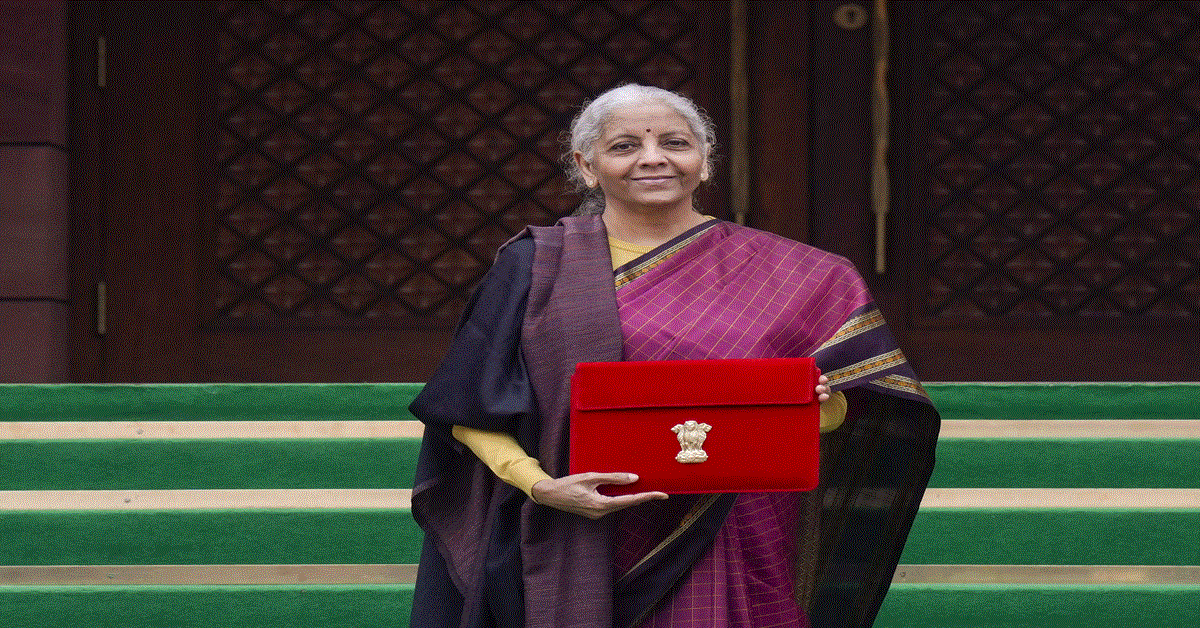
The Budget 2026 India arrives at a time when the global economy is facing uncertainty from rising geopolitical tensions, fluctuating commodity prices, and slower growth in major markets. Against this backdrop, India’s approach in Budget 2026 focuses on maintaining growth momentum while protecting economic stability.
Rather than short-term populist measures, this budget takes a long-view approach prioritising investment, fiscal discipline, and structural reforms. In this Budget 2026 analysis, we explore how India plans to manage growth while navigating global challenges.
Global Challenges Shaping Budget 2026 India
Before understanding the budget’s direction, it is important to look at the global environment influencing Budget India.
Key Global Risks
- Slower growth in developed economies
- Volatility in oil and commodity prices
- Geopolitical tensions affecting trade and supply chains
- Tight global financial conditions
These factors directly impact exports, inflation, and capital flows, making policy balance crucial.
Growth Strategy in Budget 2026 India
Strong Push for Capital Expenditure
One of the most important pillars of Budget India is continued focus on capital expenditure. Increased government spending on infrastructure such as roads, railways, ports, and urban transport acts as a growth engine during uncertain times.
Why this matters:
- Creates jobs across sectors
- Crowds in private investment
- Improves long-term productivity
Infrastructure-led growth helps reduce India’s dependence on global demand.
Supporting Domestic Consumption
While the budget avoids aggressive tax cuts, Budget 2026 includes measures that support household spending through simplified tax structures and targeted welfare schemes.
This balanced approach aims to:
- Protect middle-class purchasing power
- Encourage savings and investments
- Maintain steady consumption growth
Fiscal Discipline and Stability
Managing the Fiscal Deficit
Despite higher spending, Budget 2026 stays committed to fiscal consolidation. A clear roadmap to manage the fiscal deficit reassures investors and credit rating agencies.
Maintaining fiscal discipline helps:
- Control inflation
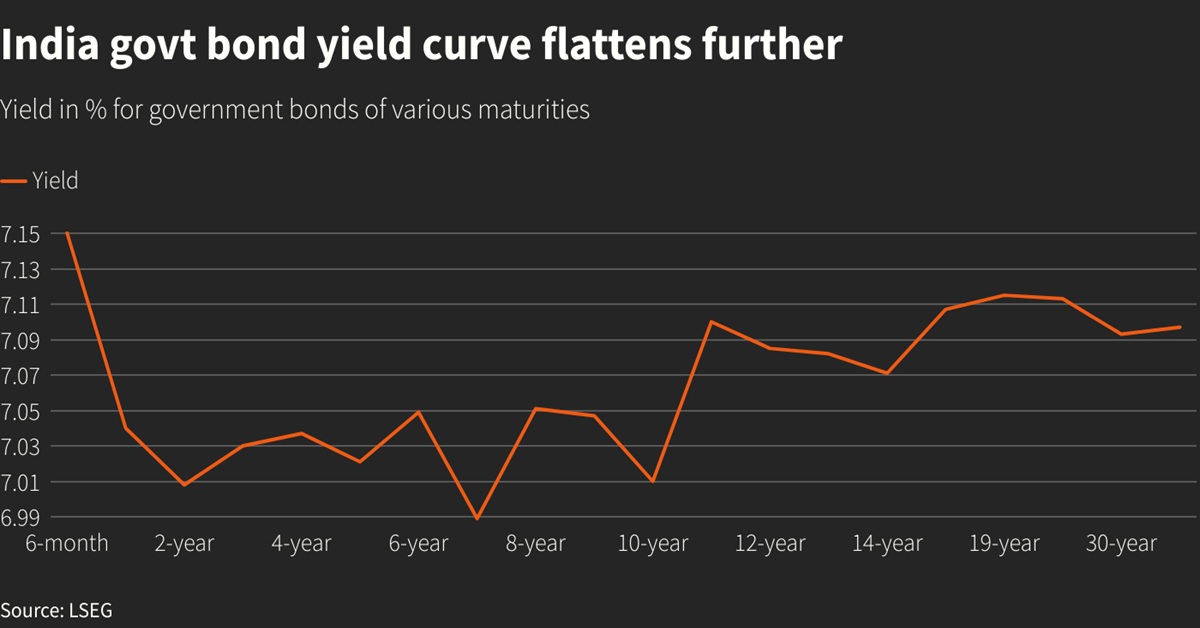
- Stabilise borrowing costs
- Strengthen investor confidence
This is especially important when global financial conditions remain tight.
Inflation Control Measures
The budget focuses on supply-side solutions to manage inflation, particularly food and fuel prices. Investments in logistics, storage, and agriculture infrastructure aim to reduce supply disruptions.
Sector-Wise Focus in Budget 2026 India
Manufacturing and Make in India
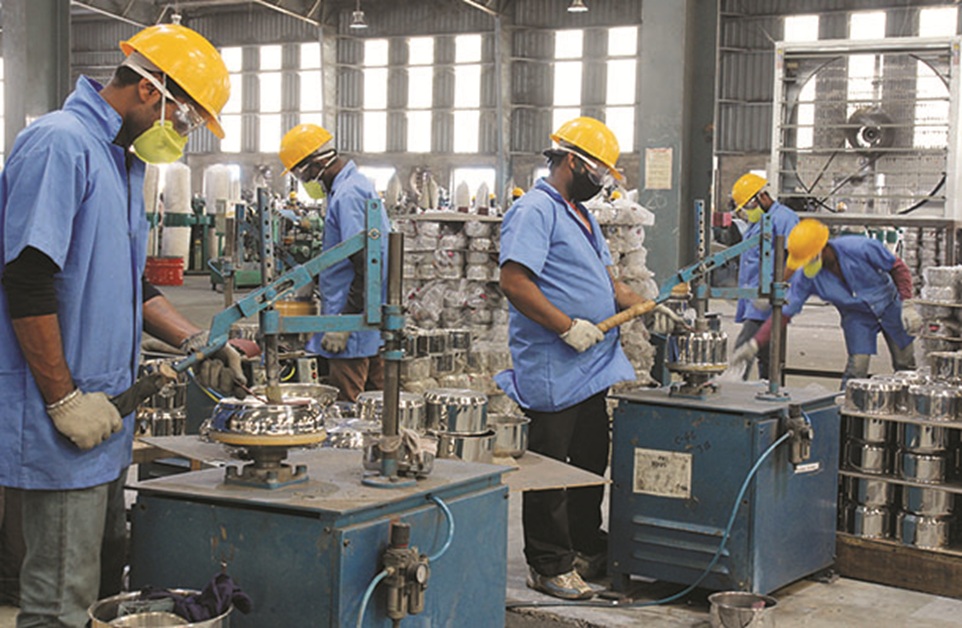
Manufacturing continues to be a strategic priority in Budget 2026. Incentives for domestic production, export promotion, and technology adoption support India’s goal of becoming a global manufacturing hub.
This approach helps:
- Reduce import dependence
- Improve trade balance
- Create skilled employment
MSMEs and Startups
MSMEs receive targeted support through easier credit access and reduced compliance burdens. In a challenging global environment, strengthening small businesses helps protect employment and local supply chains.
Digital Economy and Innovation
The digital sector benefits from continued investment in digital public infrastructure, fintech, and emerging technologies. This positions India as a resilient, innovation-driven economy despite global slowdowns.
How Budget 2026 India Responds to Global Uncertainty
The core strength of Budget lies in its balanced approach. Instead of reacting to short-term global shocks, the budget focuses on building internal strength through infrastructure, manufacturing, and digital growth.
This strategy:
- Reduces exposure to external volatility
- Encourages self-reliance
- Supports sustainable long-term growth
This Budget 2026 analysis shows a clear shift toward stability-driven growth rather than quick fixes. By maintaining fiscal discipline while investing in future-ready sectors, Budget 2026 India positions the economy to weather global uncertainty and emerge stronger.








Leave a Reply