

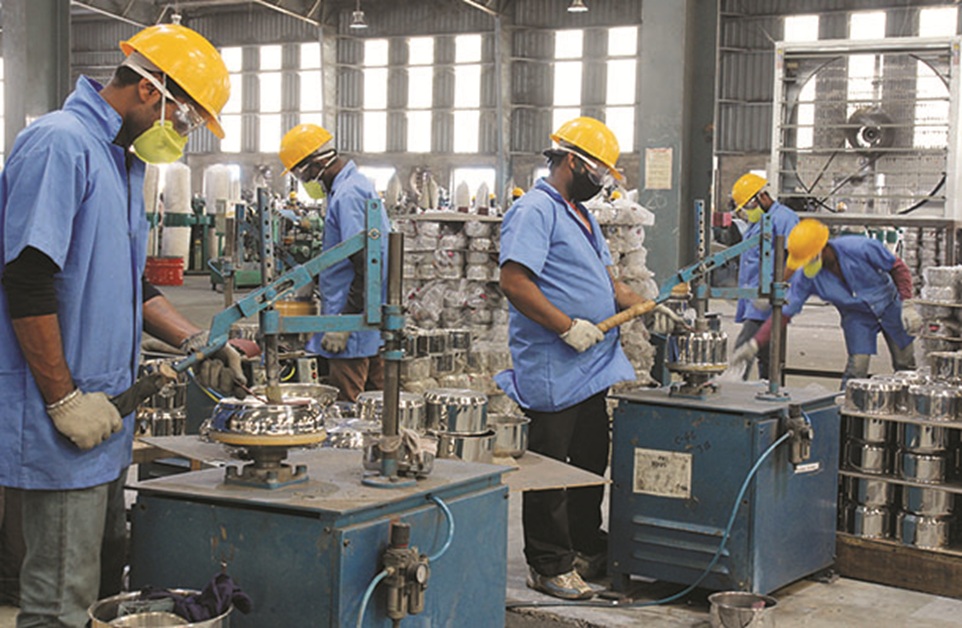
The Budget 2026 MSME sector reforms have once again placed small businesses at the heart of India’s growth strategy. Micro, Small and Medium Enterprises (MSMEs) are often called the backbone of the Indian economy and for good reason. They contribute significantly to GDP, exports, manufacturing output, and most importantly, employment generation. In Budget 2026, the government has reinforced its commitment to empowering MSMEs through improved credit access, digital transformation support, export incentives, and compliance simplification.
Why the MSME Sector Matters So Much
India’s MSMEs contribute nearly one-third of the country’s GDP and employ millions across manufacturing, services, and trade. From small textile units to local engineering workshops, these enterprises drive grassroots development and regional economic balance.
Strengthening the Budget 2026 MSME sector initiatives isn’t just about helping small businesses—it’s about strengthening domestic production, reducing import dependency, and creating sustainable jobs.
Key Highlights of Budget 2026 for MSMEs
Enhanced Credit Support and Financing Access
One of the central pillars of Budget 2026 is improving access to affordable finance. Many MSMEs struggle not because of lack of demand, but due to limited working capital and high borrowing costs.
The budget proposes:
- Expansion of credit guarantee schemes
- Increased collateral-free loan limits
- Improved digital credit assessment systems
By reducing lending risks for banks, the government aims to ensure smoother capital flow to small enterprises.
Boost to Manufacturing and Local Production
Manufacturing-focused MSMEs stand to benefit significantly from targeted production incentives and cluster development schemes.
Budget 2026 supports:
- Modernization of machinery
- Technology adoption subsidies
- Infrastructure support in industrial clusters
These measures are designed to enhance productivity, improve product quality, and increase competitiveness in both domestic and global markets.
Simplified Compliance and Regulatory Ease
Compliance complexity often burdens small businesses more than large corporations. Recognizing this, the government has emphasized ease of doing business reforms under the Budget 2026 MSME sector framework.
Expected reforms include:
- Simplified tax filing procedures
- Digital documentation systems
- Faster approval mechanisms
Reducing compliance friction allows entrepreneurs to focus more on operations and expansion rather than paperwork.
Digital Transformation: A Big Push Forward
Digital adoption is no longer optional it’s essential. Budget 2026 strengthens digital infrastructure support for MSMEs through:
- Encouraging e-invoicing and digital payments
- Promoting onboarding on e-commerce platforms
- Supporting adoption of cloud-based business tools
This shift helps small businesses improve transparency, efficiency, and access to wider markets.
Export Promotion and Global Integration
Many MSMEs contribute heavily to India’s export basket, particularly in sectors such as textiles, engineering goods, handicrafts, and pharmaceuticals.
The Budget 2026 MSME sector reforms aim to:
- Improve export credit availability
- Provide market access support
- Strengthen logistics infrastructure
By reducing trade bottlenecks and enhancing competitiveness, MSMEs can expand their footprint in international markets.
Employment Generation and Skill Development
MSMEs are labor-intensive by nature. Supporting them directly translates into job creation.
Budget 2026 aligns MSME support with skill development programs by:
- Promoting apprenticeship-linked incentives
- Encouraging industry-aligned skill training
- Supporting women and rural entrepreneurs
This approach not only drives economic growth but also fosters inclusive development.
Challenges That Still Need Attention
While the reforms are promising, challenges remain:
- Delayed payments from large buyers
- Rising raw material costs
- Market volatility
- Limited technological awareness in smaller towns
Addressing these structural issues will be crucial to ensure that the Budget 2026 MSME sector measures deliver long-term impact.
What This Means for India’s Economic Growth
The broader goal behind strengthening MSMEs is clear: diversify growth engines and reduce overdependence on a few large sectors. When MSMEs thrive:
- Employment expands
- Rural and semi-urban economies strengthen
- Export resilience improves
- Domestic consumption rises
In short, a stronger MSME ecosystem creates a multiplier effect across the economy
The Budget 2026 MSME sector initiatives reflect a strategic recognition that sustainable economic growth must be inclusive and broad-based. By focusing on credit access, digital transformation, compliance ease, and export support, the government is attempting to build a more resilient small business ecosystem. For entrepreneurs, this budget signals opportunity. For investors, it highlights potential in small-cap and mid-cap segments. And for India’s economy, it reinforces a growth model rooted in grassroots enterprise.



Leave a Reply