


The social justice Budget 2026 has sparked important discussions across India, especially among policymakers, economists, and social development experts. While the government has announced a marginal increase in allocations for social justice and tribal affairs, many are questioning whether the rise is sufficient to address long-standing inequalities. Social justice spending plays a critical role in improving the lives of marginalized communities, including Scheduled Castes (SC), Scheduled Tribes (ST), and Other Backward Classes (OBC). In Budget 2026, the government has attempted to strike a balance between fiscal discipline and inclusive growth, but the modest increase has raised both expectations and concerns.
Overview of Social Justice Budget 2026
The social justice Budget 2026 focuses on strengthening welfare programs, enhancing educational opportunities, and improving livelihood support for disadvantaged communities.
Key Highlights
- Marginal increase in allocation for social justice schemes
- Continued focus on scholarships and skill development
- Expansion of welfare programs for SC, ST, and OBC communities
- Increased funding for tribal development initiatives
Despite the increase, experts suggest that the allocation may not be enough to fully address structural inequalities in the country.
Focus on Social Justice Programs
Education and Scholarships
One of the major areas of investment in Budget 2026 is education. Scholarships for SC, ST, and OBC students continue to receive support, aiming to reduce dropout rates and improve higher education participation.
However, the increase in funding remains limited, which could impact the scalability of these programs.
Skill Development and Employment
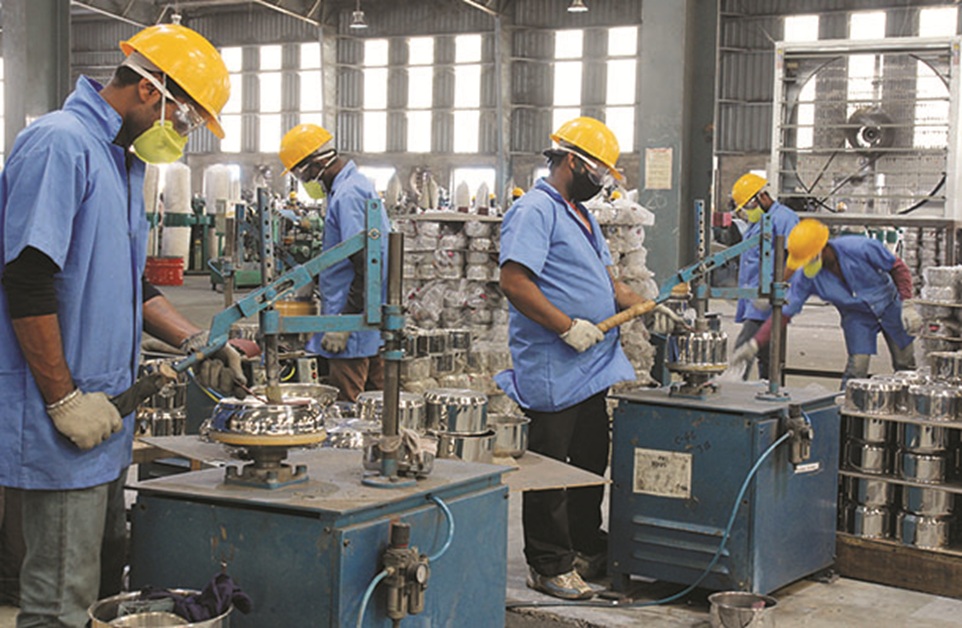
Skill development initiatives are crucial for empowering marginalized communities. The government has expanded training programs to improve employability, particularly among youth.
Programs aligned with emerging sectors like digital services and manufacturing are expected to create new opportunities.
Welfare and Social Security
The budget also emphasizes welfare schemes, including financial assistance, housing support, and healthcare benefits. These initiatives are essential for ensuring a safety net for vulnerable populations.
Tribal Affairs: A Mixed Approach
Increased Attention to Tribal Development
The allocation for tribal affairs has seen a modest rise in Budget 2026. The government aims to improve infrastructure, healthcare, and education in tribal regions.
Initiatives such as tribal hostels, schools, and healthcare centers are expected to benefit remote areas.
Challenges in Implementation
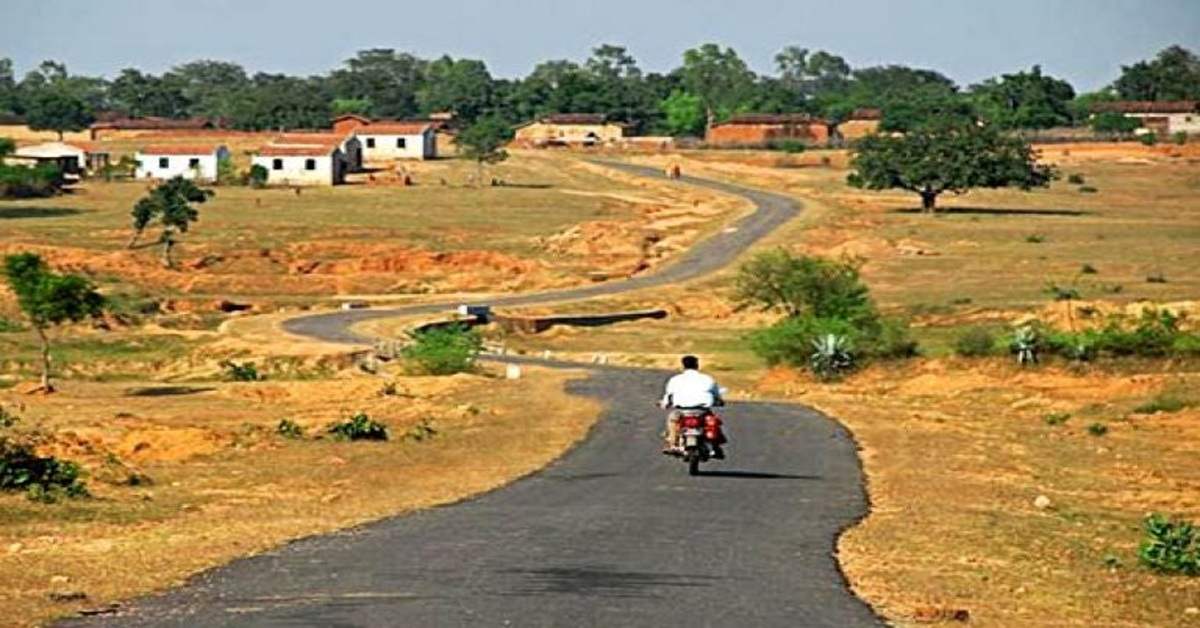
While the intent is positive, implementation remains a key challenge. Many tribal regions face issues such as poor connectivity, lack of awareness, and administrative bottlenecks.
Without efficient execution, the impact of increased allocation may remain limited.
Is the Increase Enough?
The central question surrounding the social justice Budget 2026 is whether the marginal increase is sufficient.
Expert Opinions
- Some experts believe the increase reflects a cautious fiscal approach
- Others argue that social justice requires more aggressive funding
- There is a growing demand for outcome-based budgeting
Need for Inclusive Growth
For India to achieve sustainable and inclusive growth, investment in social justice must go beyond incremental increases.
Greater focus is needed on:
- Quality education
- Skill development
- Employment generation
- Infrastructure in underserved regions
Impact on Economic Growth
Investing in social justice is not just a welfare measure it is an economic necessity.
When marginalized communities gain access to education and employment, it leads to:
- Increased productivity
- Higher income levels
- Stronger consumer demand
Thus, the social justice Budget 2026 has long-term implications for India’s economic growth.
The Way Forward
To make the most of Budget 2026 allocations, the government must focus on effective implementation and monitoring.
Key Recommendations
- Increase transparency in fund utilization
- Strengthen local governance mechanisms
- Improve data tracking and evaluation
- Encourage public-private partnerships
A more targeted and efficient approach can ensure that the benefits reach those who need them the most.
The social justice Budget 2026 reflects a step in the right direction, but it may not be enough to fully address deep-rooted inequalities. While the marginal increase in allocations for social justice and tribal affairs shows intent, stronger commitment and better execution are required. For India to achieve truly inclusive growth, social justice must remain a central priority in future budgets. Only then can the country ensure equal opportunities and a better quality of life for all its citizens.



Leave a Reply