
Inclusive growth in India is more than just an economic phrase it represents a vision where development benefits every section of society, not just a select few. As India continues to expand its economy and strengthen its global position, the real challenge lies in ensuring that growth reaches rural communities, small businesses, women, youth, and marginalized groups. At the same time, sustainability has become equally important. Economic expansion cannot come at the cost of environmental damage or social imbalance. That is why discussions around growth in India now increasingly include sustainability, climate resilience, digital access, and social empowerment.
What Does Inclusive Growth in India Really Mean?
Inclusive growth focuses on ensuring that economic opportunities are available to all sections of society. It is not just about increasing GDP numbers it is about improving quality of life.
Inclusive growth in India includes:
- Reducing poverty and income inequality
- Creating employment opportunities
- Expanding access to education and healthcare
- Supporting rural and small-town development
- Empowering women and vulnerable communities
When growth is inclusive, more people participate in the economy. This participation creates a stronger and more stable development cycle.
Why Sustainable Growth Is Equally Important
While inclusivity ensures fairness, sustainability ensures durability. Rapid industrial growth without environmental care can lead to long-term problems such as pollution, resource depletion, and climate risks.
Sustainable growth in India involves:
- Promoting renewable energy
- Encouraging green infrastructure
- Supporting climate-resilient agriculture
- Reducing carbon emissions
- Strengthening sustainable urban planning
India’s development strategy increasingly connects economic reforms with environmental responsibility. The idea is simple: growth should not compromise the future.
Key Pillars of Inclusive Growth
Employment Generation and Skill Development
India’s demographic strength lies in its young population. However, employment opportunities must match this demographic advantage.
Inclusive growth depends on:
- Skill development programs
- Startup ecosystem support
- MSME expansion
- Digital entrepreneurship
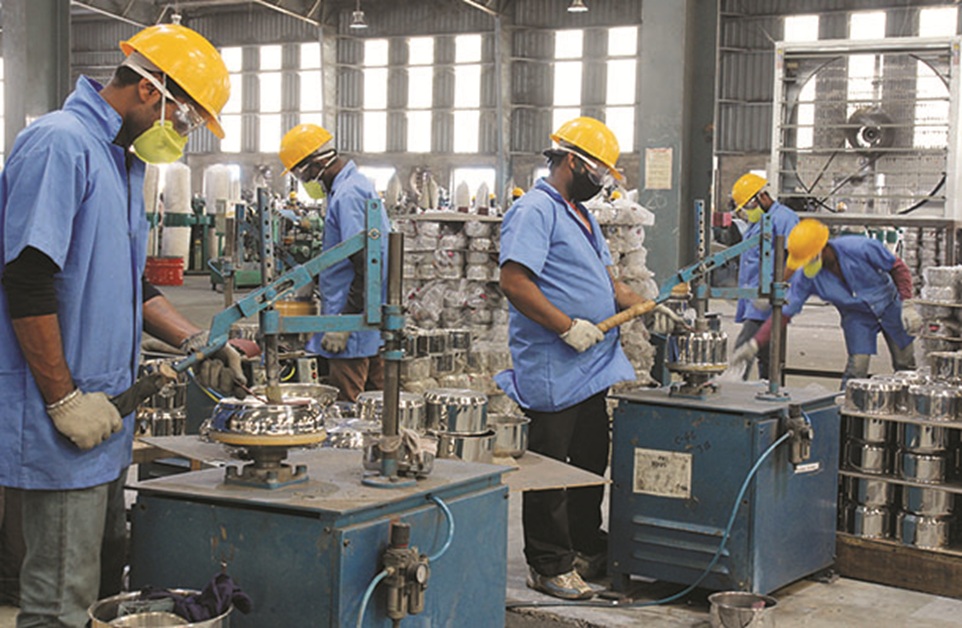
When jobs are created across sectors from manufacturing to technology it strengthens income distribution and reduces inequality.
Rural Development and Agricultural Support
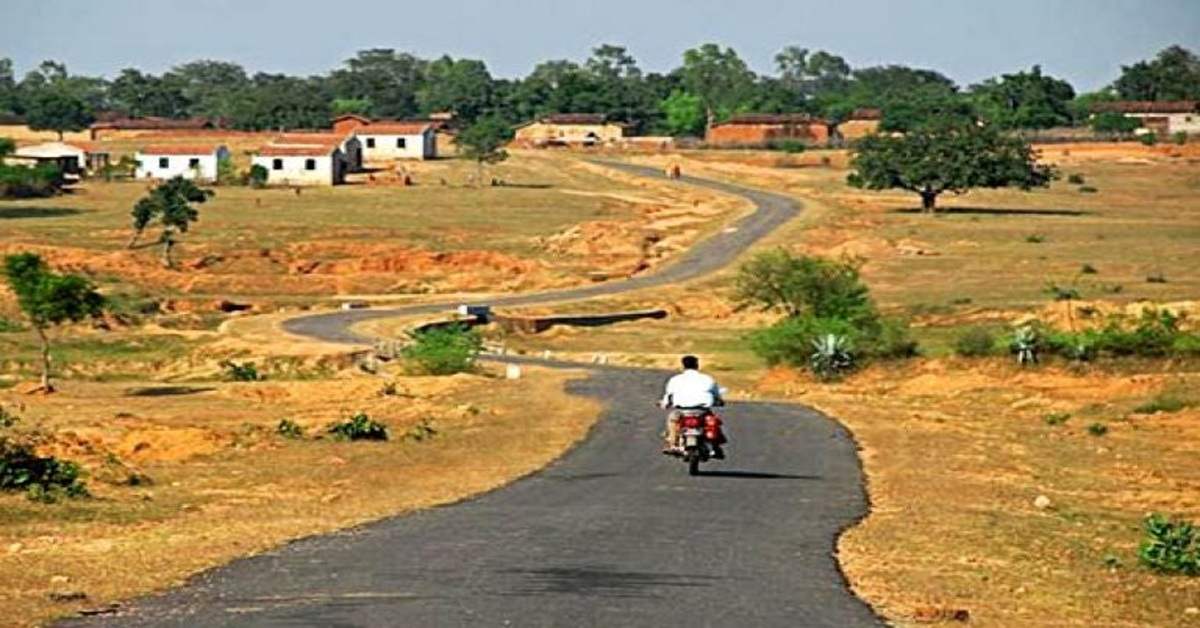
A large portion of India’s population still lives in rural areas. Inclusive growth cannot happen without improving rural infrastructure and farm incomes.
Government initiatives have focused on:
- Rural road connectivity
- Irrigation projects
- Direct income support for farmers
- Agricultural modernization
Improving productivity and market access for farmers directly impacts national economic stability.
Financial Inclusion and Digital Access
Financial inclusion has become a powerful tool for inclusive growth in India. Access to banking services, digital payments, and credit facilities enables small entrepreneurs and households to participate in economic activity.
Digital transformation has helped bridge gaps through:
- Online banking services
- Direct benefit transfers
- E-commerce opportunities for small sellers
Technology reduces barriers and creates more equal access to opportunity.
Women Empowerment and Social Inclusion
Inclusive growth also means addressing gender disparities. Women’s participation in the workforce significantly contributes to economic productivity.
Policies that support:
- Women-led self-help groups
- Access to microfinance
- Skill training programs
- Entrepreneurship incentives
can transform household incomes and strengthen local economies.
Social inclusion must also extend to marginalized communities to ensure balanced national development.
The Role of Green Energy in Sustainable Growth
India has made strong progress in renewable energy adoption, particularly in solar and wind power.
Transitioning toward clean energy supports:
- Energy security
- Reduced pollution
- Lower long-term economic risk
Green investments not only protect the environment but also create new employment sectors. Sustainable growth becomes an economic opportunity rather than a limitation.
Challenges in Achieving Growth in India
Despite progress, certain challenges remain:
- Regional income disparities
- Urban-rural development gaps
- Informal employment dominance
- Climate vulnerability
Addressing these requires coordinated policy efforts, long-term investment, and strong governance.
Why Inclusive and Sustainable Growth Matters for India’s Future
India aims to become a global economic powerhouse. However, the true measure of success will not only be GDP expansion but also the quality and fairness of that growth.
Inclusive growth ensures:
- Economic stability
- Social harmony
- Broader consumption demand
- Long-term development resilience
When growth benefits all, the economy becomes stronger from the grassroots level upward.
sustainable growth India represents a balanced approach to development one that combines economic expansion with social justice and environmental responsibility. By focusing on employment, rural development, digital access, financial inclusion, and green energy, India is working toward a more equitable and sustainable future.




Leave a Reply