


The Budget has been announced at a time when India is balancing growth ambitions with fiscal responsibility. Instead of headline-grabbing giveaways, this budget takes a more measured approach, focusing on long-term development, job creation, and economic stability. As with every budget, some sectors clearly stand to gain more than others. In this article, we explain the sector-wise winners and losers under Budget in a simple, practical way so businesses, investors, and professionals can understand what it really means for them.
Big Winners in Budget 2026
Infrastructure and Construction
Infrastructure continues to be one of the biggest beneficiaries of the Budget 2026. Higher capital expenditure on roads, railways, metro projects, and logistics hubs signals strong government commitment to nation-building.
Why this sector wins:
- Increased government spending ensures steady project flow
- Boosts employment across skilled and unskilled workers
- Supports allied industries like cement and steel
Manufacturing and Make in India
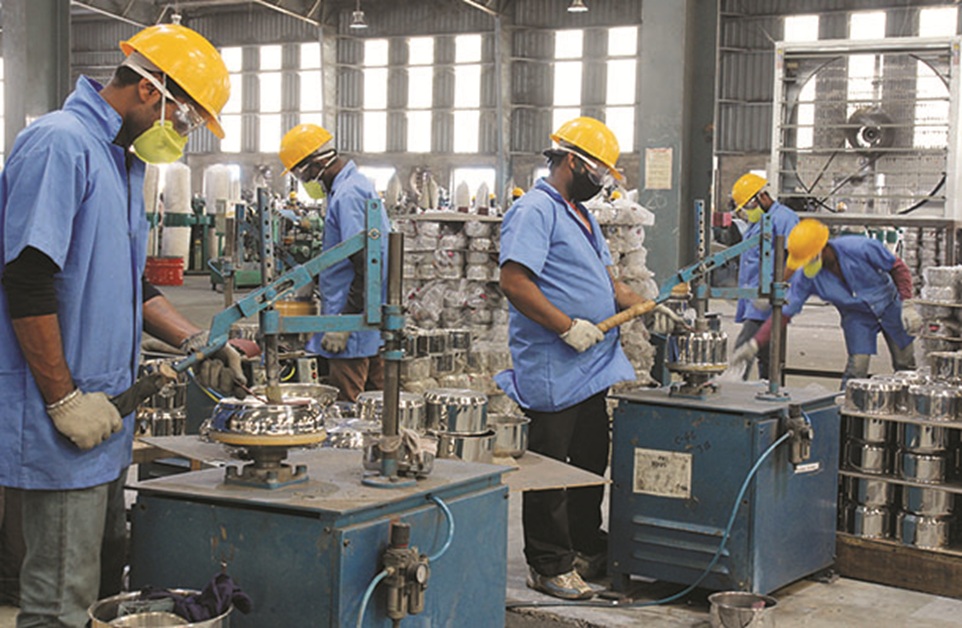
The Union Budget strengthens the Make in India vision by encouraging domestic manufacturing. Sectors such as electronics, renewable energy equipment, and defence manufacturing receive policy and financial support.
Key advantages:
- Reduced import dependency
- Incentives for local production
- Export-oriented growth opportunities
MSMEs and Startups
MSMEs emerge as clear winners in the Budget 2026, with improved access to credit and simplified compliance norms. The government recognises small businesses as major job creators and growth drivers.
What works in their favour:
- Enhanced credit guarantee schemes
- Faster loan approvals
- Support for innovation-led startups
Digital Economy and Technology
The digital and technology sector benefits from continued investment in digital public infrastructure. The Budget supports areas like fintech, AI, and cybersecurity, aligning with India’s digital growth ambitions.
Moderate Gainers in Union Budget 2026
Agriculture and Rural Economy
Agriculture receives steady, though not aggressive, support in the Union Budget 2026. Investments focus on irrigation, storage, and technology rather than large subsidies.
Impact:
- Long-term productivity improvement
- Better market access for farmers
- Limited short-term income boost
Banking and Financial Services
Banks and NBFCs see moderate benefits due to increased credit demand from infrastructure and MSME sectors. However, tighter regulatory oversight keeps expectations in check.
Sectors That May Face Challenges
Consumer Goods and FMCG
While middle-class relief measures exist, the Budget does not significantly boost consumption through direct tax cuts. As a result, FMCG and consumer goods companies may see slower demand growth in the short term.
Real Estate (Non-Affordable Segment)
Affordable housing continues to receive policy support, but premium and luxury real estate segments may feel pressure due to limited new incentives and higher borrowing costs.
Oil, Gas, and Traditional Energy
The Union Budget maintains a cautious stance toward traditional energy sectors. With increasing focus on renewables, oil and gas companies may face tighter margins and slower policy support.
What Budget 2026 Means for Investors and Businesses
The Budget clearly rewards sectors aligned with long-term national priorities such as infrastructure, manufacturing, MSMEs, and digital growth. Sectors dependent on short-term consumption or legacy energy models may need to adapt.
For investors, this budget favours:
- Capital-intensive industries
- Technology-driven businesses
- Export-oriented manufacturing
The Union Budget is less about instant rewards and more about sustainable growth. While not every sector emerges as a winner, the budget sets a clear direction for India’s economic future.









Leave a Reply